



An industry rooted in trust and personal relationships is facing new questions as artificial intelligence changes how construction projects are planned, managed and executed—and the role of legal counsel in the field.
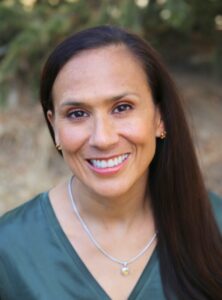
“Construction has always been a handshake industry,” said Meranda Vieyra, CEO and founder of Denver Legal Marketing. “It’s built on trust. It’s built on relationships.”
Vieyra expects relationships between those in construction and those in construction law to become even more important as AI makes legal information more accessible.
She recently explored those issues in a presentation at an American Bar Association conference in Boston, where she discussed AI’s potential applications in marketing and business development for construction lawyers.
Helping Clients Navigate New Legal Questions
Construction companies are increasingly adopting AI in areas such as scheduling, robotics and automation. As the technology changes how clients operate, lawyers have an opportunity to help them navigate the legal questions that follow.
“It’s time to rise to the occasion,” Vieyra said. “Their business is changing. How can your legal services match where they’re headed and what they need right now?”
She suggested starting with conversations about how clients are using AI, what policies govern its use and whether they have considered the associated risks. Asking those questions will help lawyers identify emerging legal needs while strengthening existing client relationships.
For construction lawyers, understanding the technology clients are adopting is also an opportunity to anticipate problems before a dispute can develop.
Creating Value Beyond Routine Legal Work
One of the most significant challenges for law firms is AI’s commoditization of routine legal work that has traditionally generated billable hours and helped train junior associates, Vieyra said.
As those tasks become more automated, construction lawyers will need to distinguish their services through the experience, judgment and industry knowledge they bring to a client’s business.
“The good news is that law firms are a treasure chest of data,” Vieyra said. She encouraged firms to mine that data, harnessing their collective experience to provide clients with practical insights.
Learning from their firm’s data is a place where she said lawyers should be employing AI: to identify patterns in construction claims, determine which contract clauses are failing or spot recurring risks for a client.
The technology can also help lawyers hone their business development practices. Lawyers can use AI to identify prospective clients, monitor construction permits and bidding activity, track developments within particular companies and prepare for conversations with potential clients.
But Vieyra cautioned against allowing those efficiencies to come at the expense of personal relationships.
“Don’t let AI take over your email,” she said.
Instead, she urged lawyers to spend the time saved through automation strengthening their professional networks and maintaining connections with existing clients.
“If AI gives you an extra hour,” she said, “use that time to contact people on your referral lists, reconnect with former clients or check in with the businesses you already serve.”
To further create value and build personal connections, she recommended scheduling regular events for clients to interact with their lawyers, such as through small group presentations, lunch-and-learn programs or even a “walk with a lawyer.”
Human-to-human interactions allow attorneys to share their knowledge and demonstrate their value outside the context of a particular transaction or dispute.
“Figuring out what your value proposition is in this new world of AI is essential,” Vieyra said.
That value proposition should shape how firms market themselves, too, she said. Although AI can help lawyers create marketing materials, generic content is less likely to distinguish a firm when legal information is readily available through AI tools.
Vieyra said attorneys can differentiate themselves by highlighting their experience and “human touch” as a trusted adviser.